

01
Wholesale Price
02
Direct From Manufacture
03
Best Quality


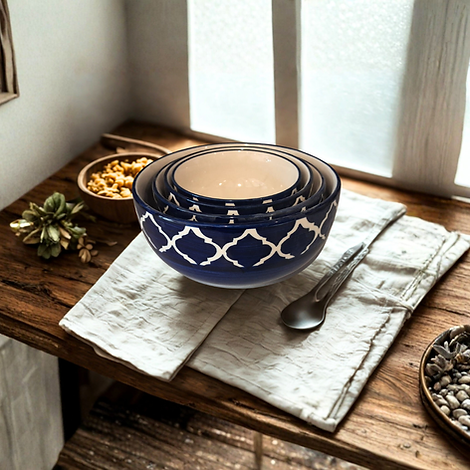
Our Best Seller
Serving Bowl


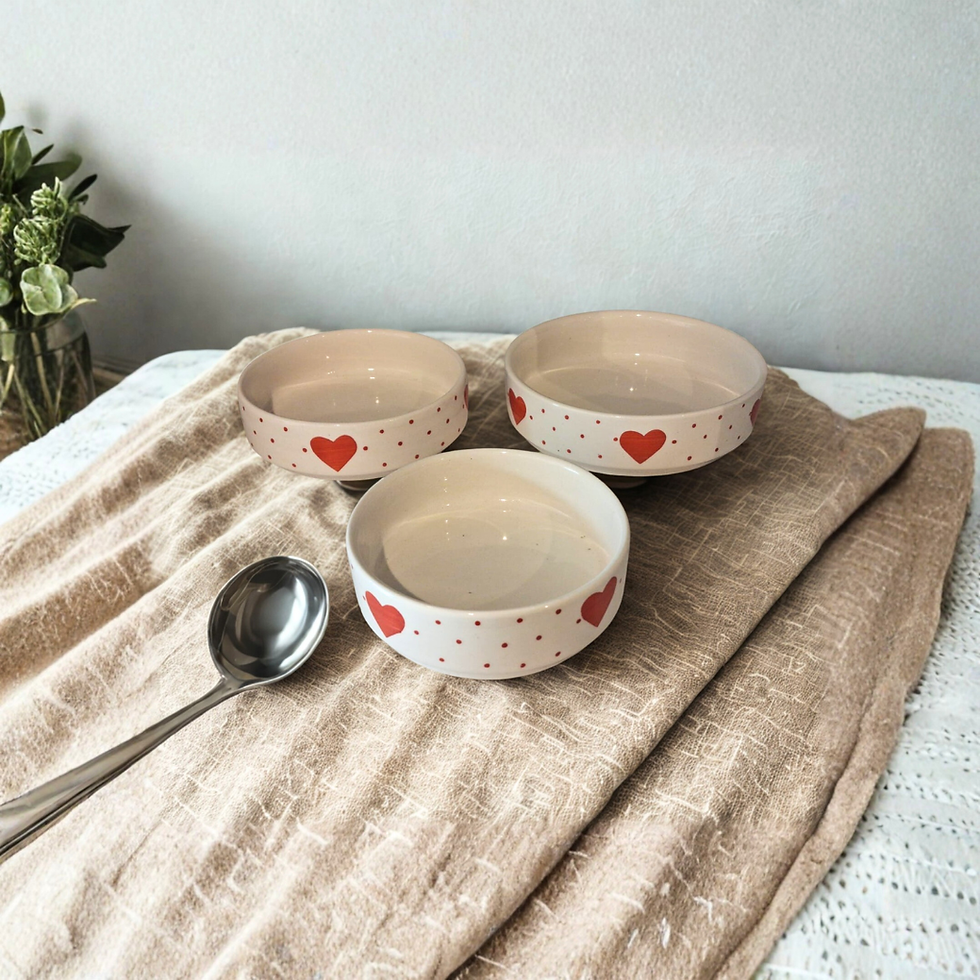

Kettle Set
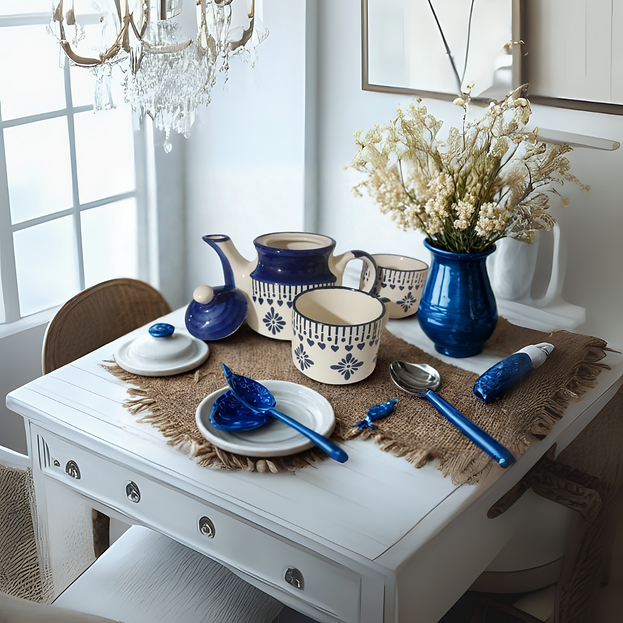

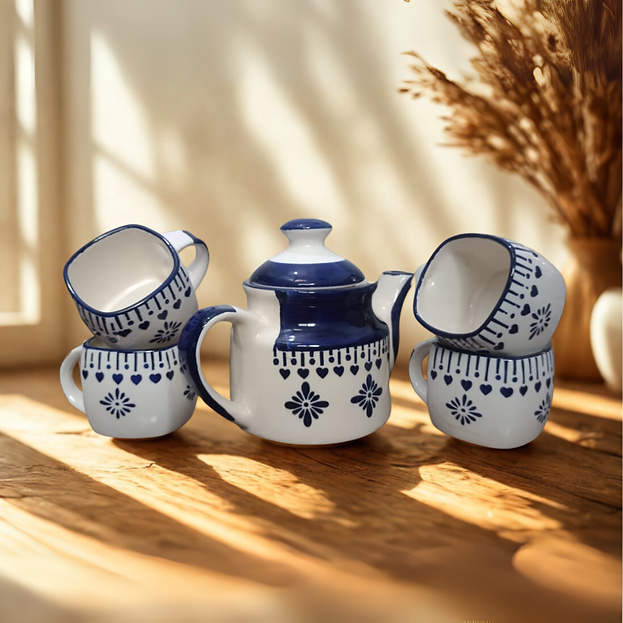

All Products


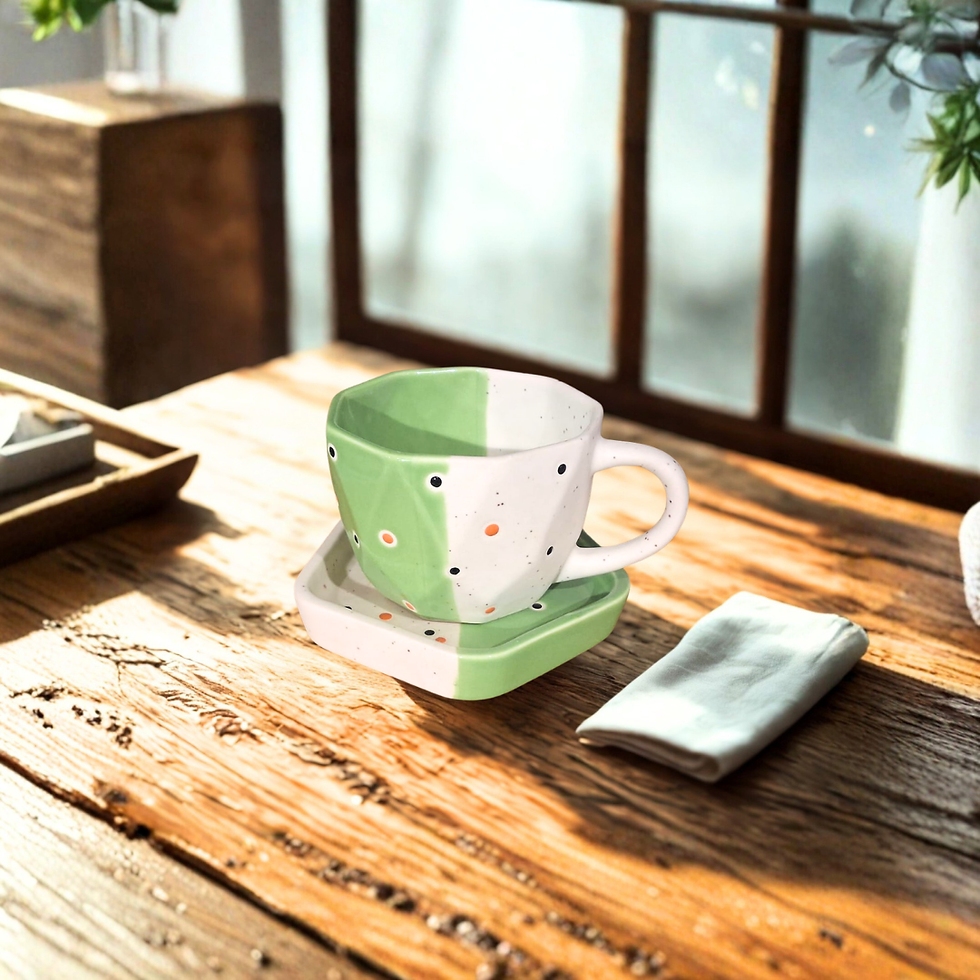
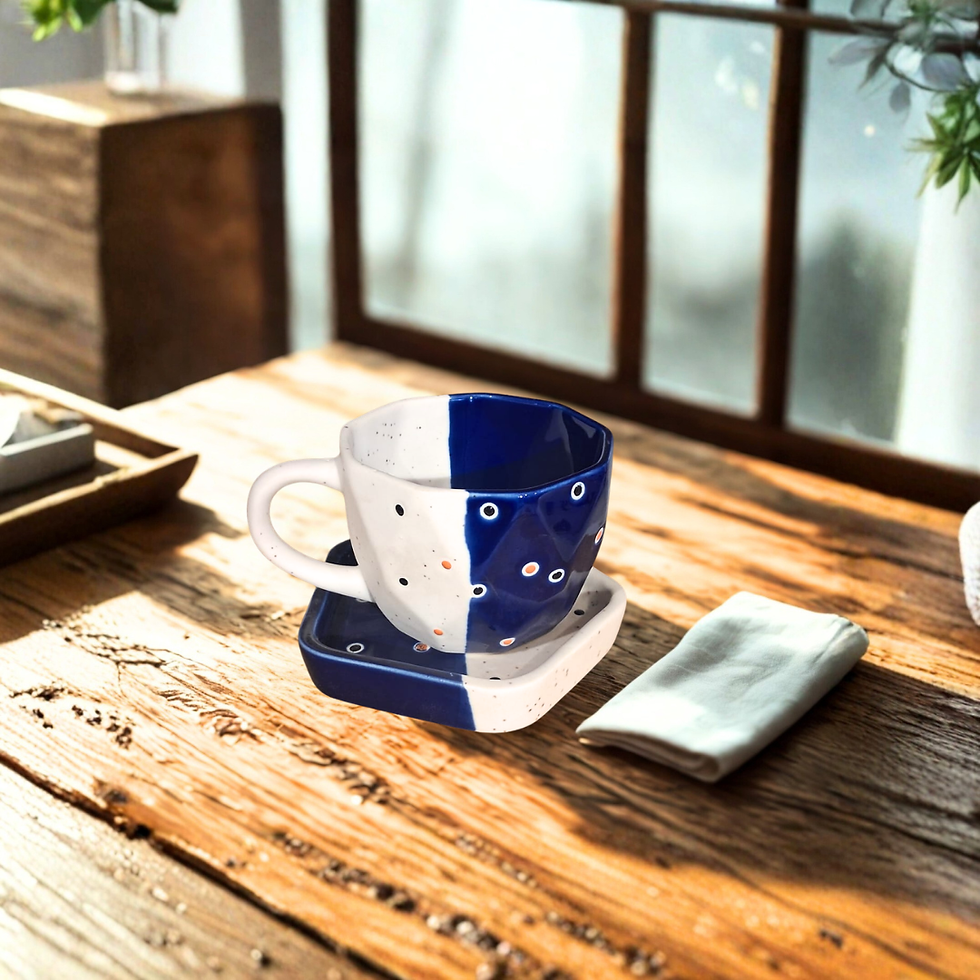


What Our Customer's Says
laxmi.71588
vanshika
Pravika Faishons
fashion_crowed
kittoamitjaiswal
anambivertmamma
studiooffinds
itsnazia3671
kittoamitjaiswal
poonamjaiswal
sonycreation88
review_with_mamali
narivastra01
desifashionworld
tisharaju
heavencorner2025
sneharoy0404
Clay crockery, a timeless element of culinary culture, has been cherished by civilizations for thousands of years. From ancient earthenware used by early humans to the intricate porcelain of modern times, the evolution of clay crockery reflects a rich tapestry of history and craftsmanship. As both functional and artistic, these ceramic pieces are celebrated not only for their aesthetic appeal but also for their health benefits and impact on food flavor. This article delves into the various types of clay used, traditional and contemporary production techniques, and the environmental considerations surrounding clay crockery, while also exploring its enduring significance in global cultures.
The History of Clay Crockery
Ancient Origins
Clay crockery's journey begins millennia ago when our distant ancestors stumbled upon the magical properties of clay. The earliest known pottery dates back to around 29,000 BCE in Eastern Europe, where the first skillful hands shaped clay into functional vessels. These early creations were not just about aesthetics; they were essential for storing food, cooking, and understanding the world. Think of them as the original Tupperware—just with a bit more flair and a lot less BPA.
Cultural Significance Across Civilizations
Across the globe, clay crockery has held a prominent place in culture and society. From the elegant vases of the ancient Greeks to the intricate designs of Chinese porcelain, each civilization stamped its identity on their clay creations. In many cultures, pottery transcended mere utility; it became a form of artistic expression, a symbol of status, and even a medium for storytelling. Weddings, rituals, and daily life were all punctuated by the distinctive shapes and decorations of clay pots, tying communities together in a web of tradition.
Evolution of Clay Crockery Through the Ages
As societal needs evolved, so did clay crockery. The medieval period saw advancements in glazing techniques, leading to more durable and beautiful pieces. The Industrial Revolution brought about mass production, making crockery more accessible to the masses. Today, we have a delightful mix of traditional craftsmanship and modern innovation. Whether it’s the rustic charm of artisanal pottery or the sleek lines of contemporary designs, clay crockery continues to evolve, proving that it’s not just a relic of the past but a vibrant part of our present and future.
Types of Clay Used in Crockery
Earthenware
Ah, earthenware—the cheerful workhorse of the clay world. Made from coarse clay and fired at lower temperatures, earthenware is known for its porous nature, which gives it a rustic charm. Perfect for casual dining or garden parties, these pieces often come with vibrant glazes, making them as decorative as they are functional. Just don’t expect them to be the life of the party in a fancy restaurant; they prefer a laid-back vibe!
Stoneware
Stoneware is like earthenware’s sophisticated sibling. It’s durable, non-porous, and fired at higher temperatures, making it ideal for anything from baking to serving. Known for its strength and earthy tones, stoneware can withstand the heat—literally! It’s perfect for hearty dishes that require a little extra love and warmth. Plus, who can resist that charming, handmade feel?
Porcelain
Porcelain is the fancy pants of the clay family, often associated with elegance and sophistication. Made from kaolin clay and fired at very high temperatures, it’s known for its translucence and strength. Porcelain crockery is often lavishly decorated and commonly used for formal dining occasions. If you’re ever in doubt about what to serve your guests when trying to impress, porcelain is your go-to choice. Just remember to handle it with care—this beauty is as delicate as it is exquisite.
Traditional vs. Modern Techniques
Handcrafted Methods
There’s something undeniably romantic about handcrafted clay crockery. Artisans spend hours molding, shaping, and glazing each piece, pouring their heart and soul into the creation. This method not only allows for unique, one-of-a-kind pieces but also celebrates age-old techniques passed down through generations. Each crack and imperfection tells a story, making handcrafted crockery a delightful conversation starter at any dinner table.
Machine-Made Processes
In contrast to the handcrafted charm, machine-made crockery offers efficiency and consistency. The downside? It can lack that personal touch. These pieces flood the market, making clay crockery available to the masses at affordable prices. While they may not have the heartwarming stories of their handcrafted cousins, they frequently come in sleek designs that fit modern aesthetics—perfect for those of us who just want our snacks served in style.
Glazing Techniques
Glazing is the cherry on top of the clay crockery sundae. Traditional glazing methods often involve natural materials, adding to the character and texture of the piece. Modern techniques, on the other hand, can include a wide array of colors and finishes, from matte to glossy. Not only does glazing enhance the visual appeal, but it also makes the crockery more functional by adding a layer of protection. Just imagine serving your famous chili in a vibrant, hand-glazed bowl—talk about a feast for the eyes!
Benefits of Using Clay Crockery
Health and Safety
Clay crockery isn’t just a pretty face; it's also a healthy choice for your kitchen. Unlike plastic or non-stick options that can leach harmful chemicals, natural clay is safe and non-toxic. Plus, many types have antibacterial properties, meaning your food can hang out in a safer environment. So go ahead and ditch that old plastic stuff—your health (and your food) will thank you!
Flavor Enhancement
You know how a good cast-iron skillet can make a meal taste that much better? Clay crockery works its magic in a similar way! The porous nature of clay allows it to absorb and retain moisture, which can enhance flavors as food cooks. Whether it’s simmering a stew or baking bread, using clay crockery can elevate your culinary creations. It’s like your secret ingredient—only this time, you can actually see it!
Thermal Properties
Clay crockery is the thermal champion of the kitchen! Its ability to retain heat is unmatched, making it perfect for serving up warm dishes without the risk of burning your hands off. Additionally, clay’s insulating properties mean your food stays at the right temperature longer. Whether you’re having a cozy dinner by the fire or a summer barbecue, clay crockery will keep the good vibes (and the good food) flowing.
Care and Maintenance of Clay Items
Cleaning Tips
Cleaning your clay crockery isn’t rocket science, but it does require a bit of finesse. Avoid using harsh chemicals or abrasive sponges that could scratch the surface. Instead, stick to warm, soapy water and a soft sponge. For stubborn stains, a paste of baking soda and water can do wonders while keeping your crockery as pristine as a freshly waxed car. Just remember, they’re fragile—treat them like your grandmother’s favorite antique!
Storage Recommendations
When it comes to storage, stacking clay items is like a game of Jenga—it’s all fun and games until something goes wrong! To prevent your beloved bowls and plates from chipping or cracking, store them in a dry place away from direct sunlight. Use felt pads or cloth between stacked items to cushion them. If you're feeling fancy, consider a display cabinet where they can bask in glory instead of huddling in a cupboard.
Repairing Chips and Cracks
Accidents happen, and before you break down in tears, know that repairing clay crockery is totally doable! For small chips, food-safe epoxy or glue can save the day—just make sure it’s waterproof! For cracks, clean the surface and apply the adhesive carefully. Let it cure as per the instructions, and voilà! Like magic! You’ve turned your pottery mishap into a story of resilience and creativity!
Popular Clay Crockery Designs Around the World
Mexican Talavera
Bright, bold, and a little bit quirky—Mexican Talavera is like the life of the dinner party! This earthenware is characterized by its vibrant colors and intricate patterns, often depicting flowers, animals, and even the occasional mythical creature. These pieces are perfect for bringing a touch of fiesta to your dining table, and yes, they look fantastic on Instagram!
Japanese Ramen Bowls
If there’s a dish that deserves a throne, it’s ramen, and the Japanese ramen bowl is just that! Made from clay, these bowls are traditionally designed to hold heat, ensuring your slurp-fest stays warm while you contemplate life’s tough questions. The round, deep shape is not just visually appealing but enhances the overall ramen experience—like a cozy hug for your noodles!
Indian Earthen Pots
A staple in traditional Indian kitchens, earthen pots are for more than just cooking; they tell stories of culture and heritage. Known as ‘matkas’, these clay pots are not only eco-friendly but also help in slow-cooking and retaining moisture. Plus, they add an earthy charm to any meal. Cooking in these pots is like giving your food a hug from Mother Nature herself!
Environmental Impact of Clay Crockery
Sustainability of Raw Materials
Clay is a natural resource, often sourced from the earth, which means it’s about as eco-friendly as you can get—hello, Mother Earth! However, the sustainability of clay depends on responsible sourcing practices. Sustainable makers prioritize using local clay, which reduces transportation emissions and supports local economies. It's like a win-win for you and the planet!
Carbon Footprint of Production
Let’s talk about footprint—no, not the kind you leave in the sand after a beach trip! The carbon footprint of clay crockery production can vary widely. While kiln firing can be energy-intensive, many artisans are adopting eco-baking techniques, such as solar kilns. This shift is not only reducing emissions but also proving that sustainability and creativity can go hand in hand—just like peanut butter and jelly!
Recycling and Eco-Friendly Practices
In the world of clay crockery, recycling isn’t just for old newspapers! Many manufacturers are finding innovative ways to upcycle waste clay into new products. From terracotta garden pots to chic tiles, the potential is limitless. Plus, using non-toxic glazes and eco-friendly packaging means you can enjoy your clay items without adding to your carbon guilt. If only all of life’s choices were this eco-friendly!
Future Trends in Clay Crockery Production
Innovations in Design
Clay crockery design isn’t stuck in the past; it’s evolving like a superhero! Expect to see sleek modern shapes, mixed materials, and unexpected color palates taking center stage. Designers are getting adventurous, blending traditional techniques with contemporary styles, resulting in innovative pieces that are as functional as they are fabulous. Talk about a glow-up!
Integration of Technology
Welcome to the future! Clay crockery manufacturers are embracing technology, from 3D printing to advanced kiln technology, allowing for precision and creativity like never before. Imagine intricate designs that were once thought to be impossible now coming to life! It’s like clay meets sci-fi—and we’re here for it.
Growing Consumer Awareness
Today’s consumers are savvy, and their awareness about sustainability and ethical production practices is rising faster than a loaf of sourdough bread! People are leaning towards artisans who focus on eco-friendly materials and practices. As a result, the market is adapting to meet these demands, making clay crockery not just a beautiful choice, but a conscientious one too. Cheers to making a difference with every meal!In conclusion, clay crockery represents a unique blend of art, history, and practicality that continues to resonate with people around the world. Its diverse forms and rich traditions showcase the creativity and skill of artisans, while its benefits in cooking and serving food make it a staple in many households. As we move toward a more sustainable future, the appreciation for clay crockery is likely to grow, reminding us of the importance of preserving both our culinary heritage and the environment. Embracing this timeless material not only enriches our dining experiences but also connects us to the past and supports a more sustainable way of living.
Frequently Asked Questions
1. Is clay crockery safe to use for cooking and serving food?
Yes, clay crockery is generally safe for cooking and serving food, especially when made from high-quality, lead-free clay and properly glazed. Always check for manufacturer guidelines to ensure safety.
2. How do I clean and maintain clay crockery?
To clean clay crockery, avoid harsh chemicals and opt for mild soap and warm water. Hand washing is recommended, and for stubborn stains, soaking may help. Ensure items are completely dry before storing them.
3. Can clay crockery be used in the microwave or oven?
While some clay crockery is microwave and oven-safe, others may not be suitable due to the type of clay and glaze used. Always refer to the manufacturer's instructions for specific usage recommendations.
4. How can I tell if my clay crockery is of high quality?
High-quality clay crockery typically has a smooth finish, even color, and no cracks or imperfections. It should also be labeled as food-safe and lead-free, which is crucial for health and safety.